Boats
Boats are engineered to travel efficiently through water by balancing buoyancy, hull shape, and propulsion. From small electric craft to large ocean vessels, designers optimize stability, fuel usage, and safety systems so people and cargo can move reliably across rivers, lakes, and open seas.
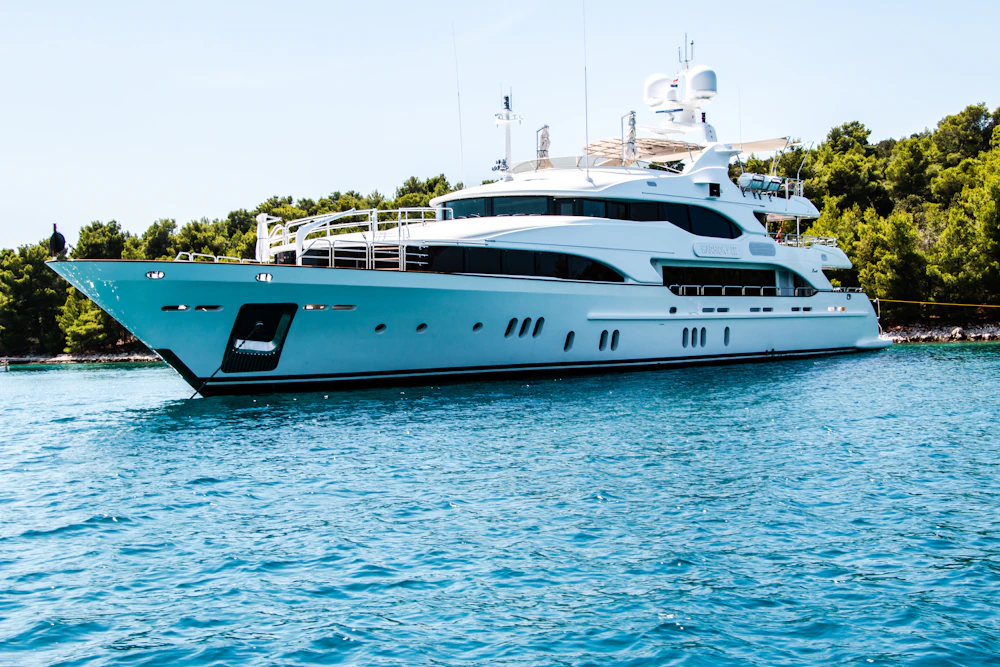
Build Your Own Model Boat
- Design your hull — decide on a flat-bottom, V-hull, or pontoon layout; sketch it on paper and transfer the outline to a balsa or foam sheet.
- Cut and shape the hull — use a craft knife or jigsaw to cut the hull shape; carve the bow to a point and sand all surfaces smooth.
- Seal the hull — apply two coats of waterproof wood sealant or fibreglass resin to prevent water absorption; let dry completely between coats.
- Attach the keel and rudder — glue a thin strip of wood along the bottom centreline for the keel; mount a small hinged rudder at the stern using a metal pin or screw.
- Install the motor and propeller shaft — drill a small hole through the stern, pass the propeller shaft through a brass tube, and mount the DC motor inside; seal the shaft hole with marine epoxy.
- Wire the electronics — connect the motor to a small ESC or switch, add a waterproofed battery compartment, and run servo wires to the rudder.
- Install radio control — fit a small RC receiver and bind it to your transmitter; link the steering channel to the rudder servo.
- Water test and tune — float the boat in a calm pool, check for leaks, adjust ballast (small weights) until it sits level, and fine-tune rudder throw.